Percentages · 3 min read
Percentage of a Number: the method, worked through
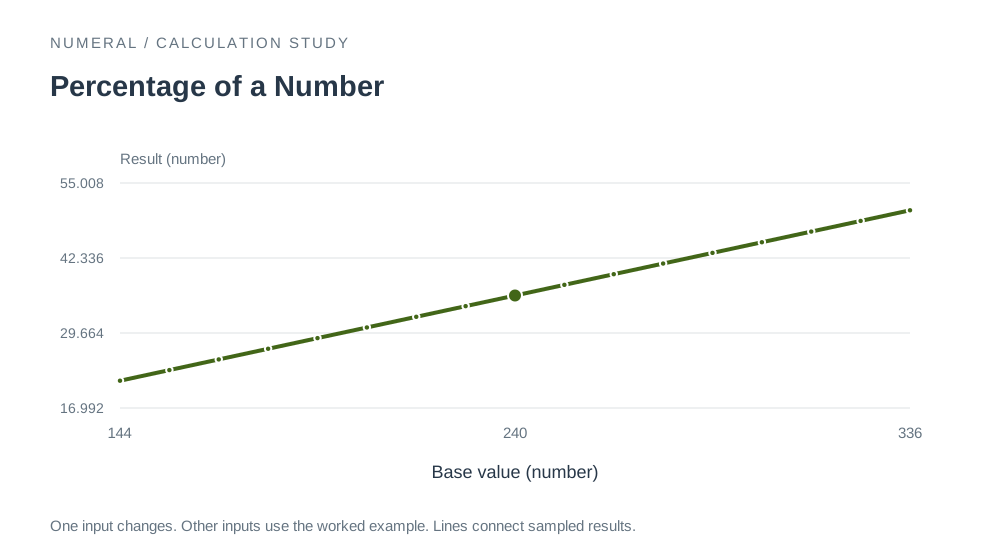
A percentage describes a share of a chosen base.
Work through the formula, compare a few scenarios and know where the model stops.
A percentage describes a share of a chosen base.
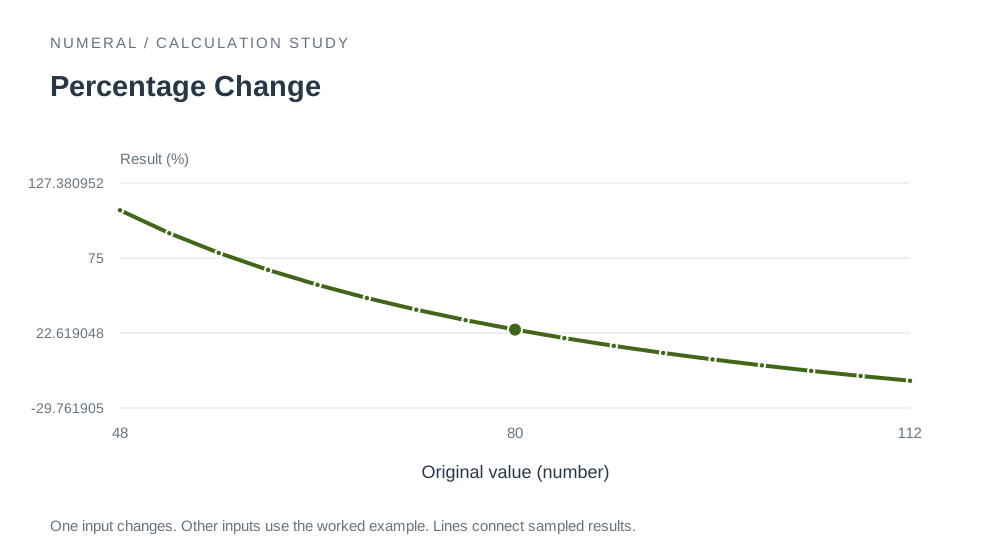
Percentage change measures movement relative to the starting value.
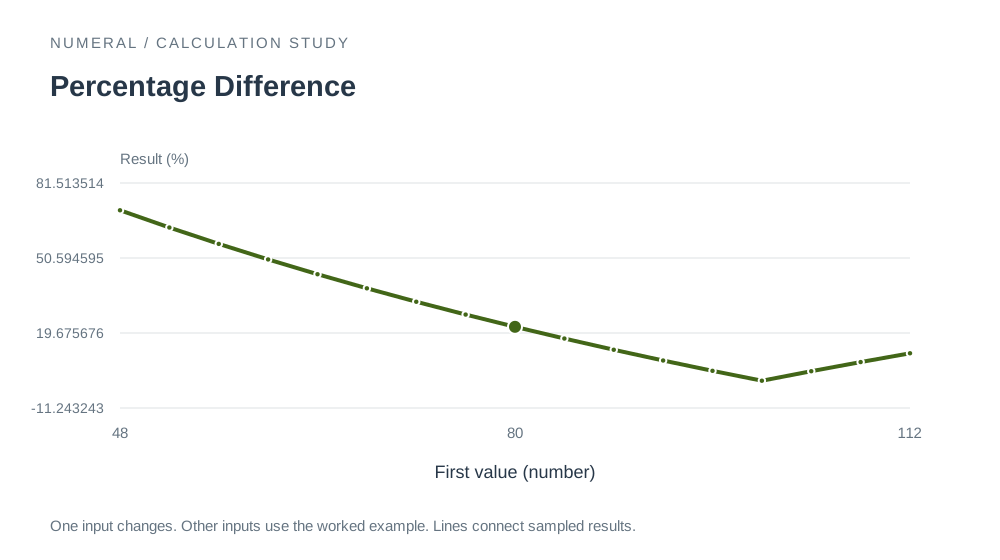
When neither observation is a natural baseline, the arithmetic average gives a symmetric denominator.
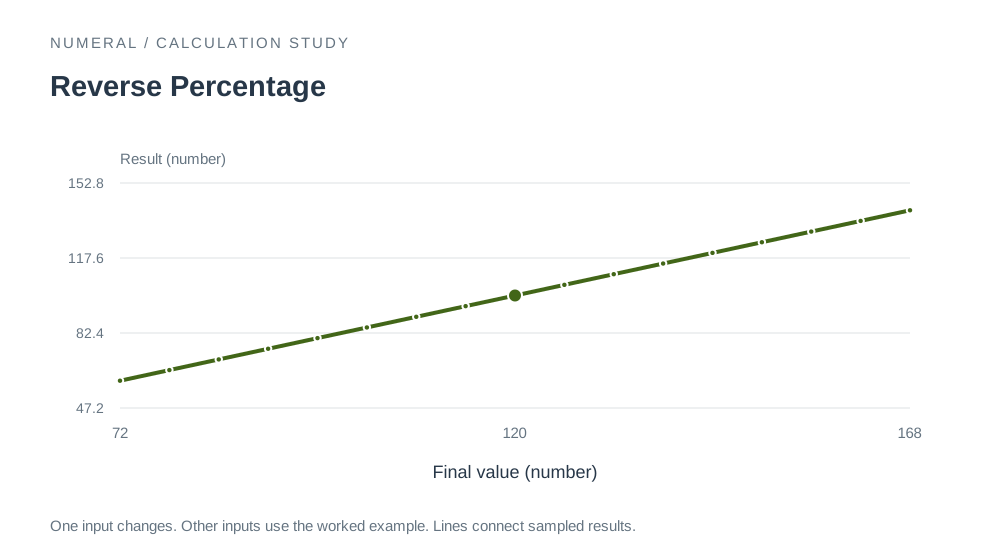
Recover an original quantity after a known proportional increase.
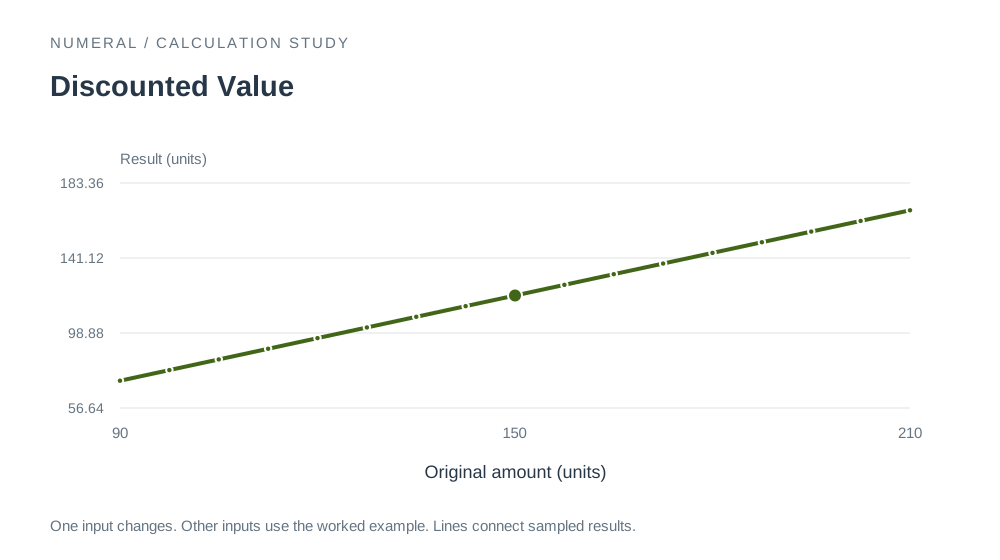
A discount is a reduction from the original amount.
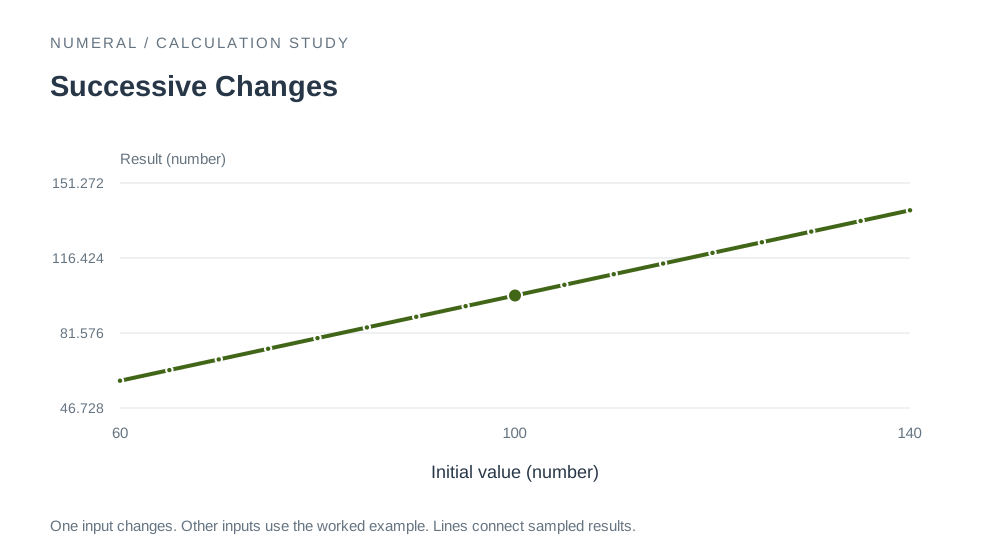
Successive percentage changes compound because the second acts on an already changed base.
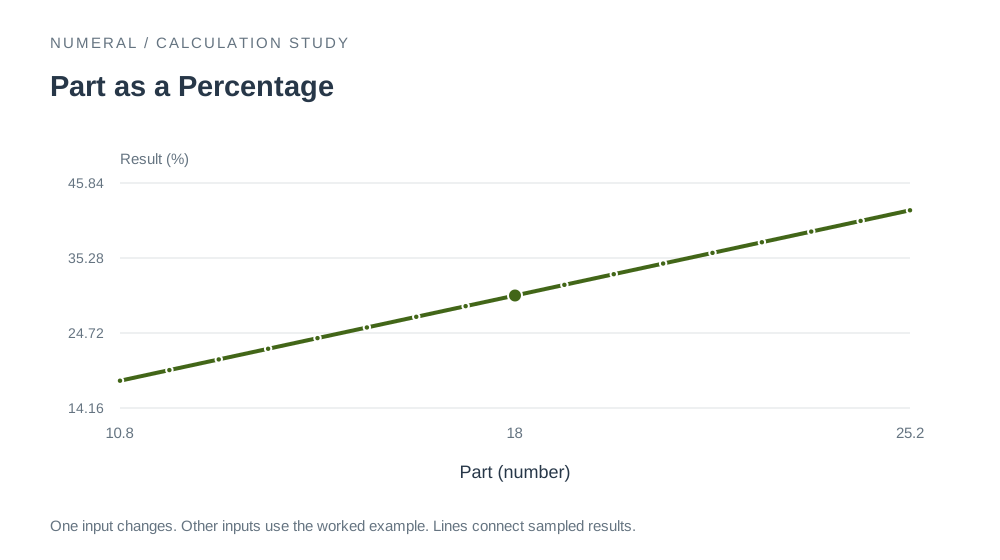
Express a measured part as a share of a reference total.
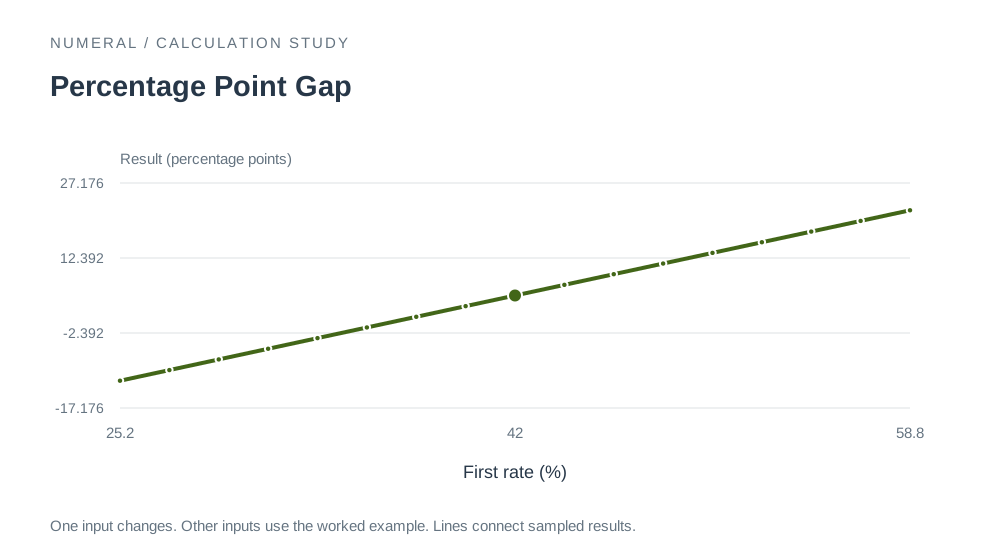
A percentage point gap subtracts two already expressed percentages.
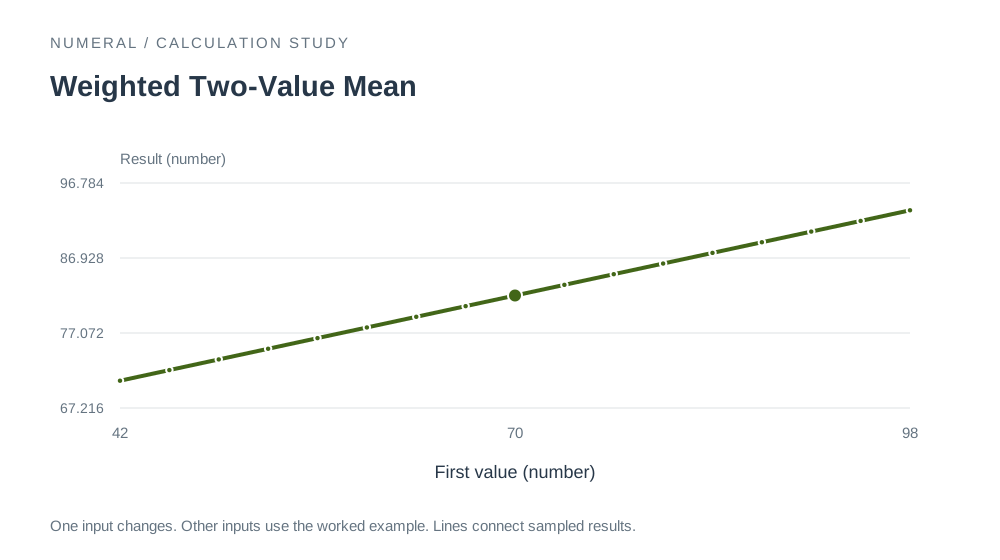
Weighted averages give observations influence in proportion to their weights.
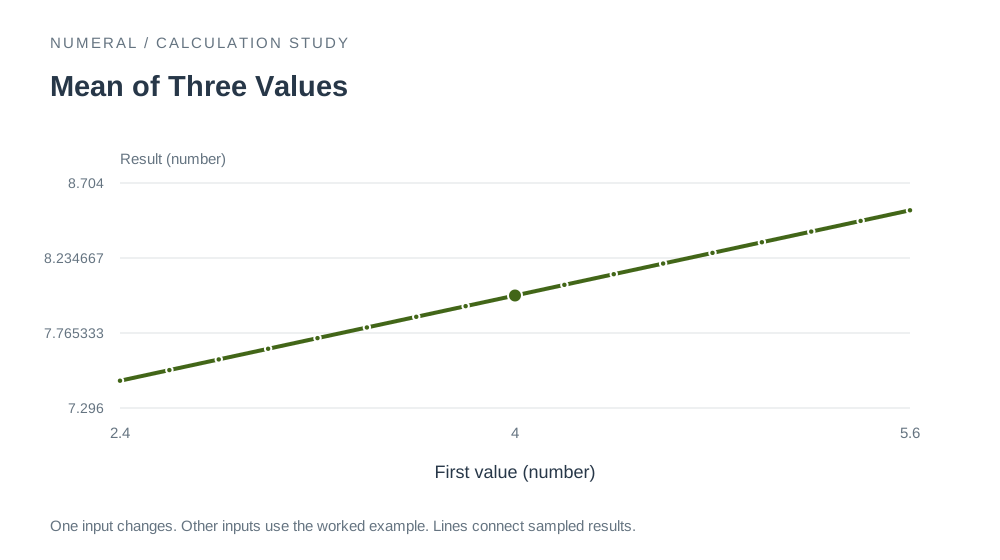
The arithmetic mean balances three observations equally.
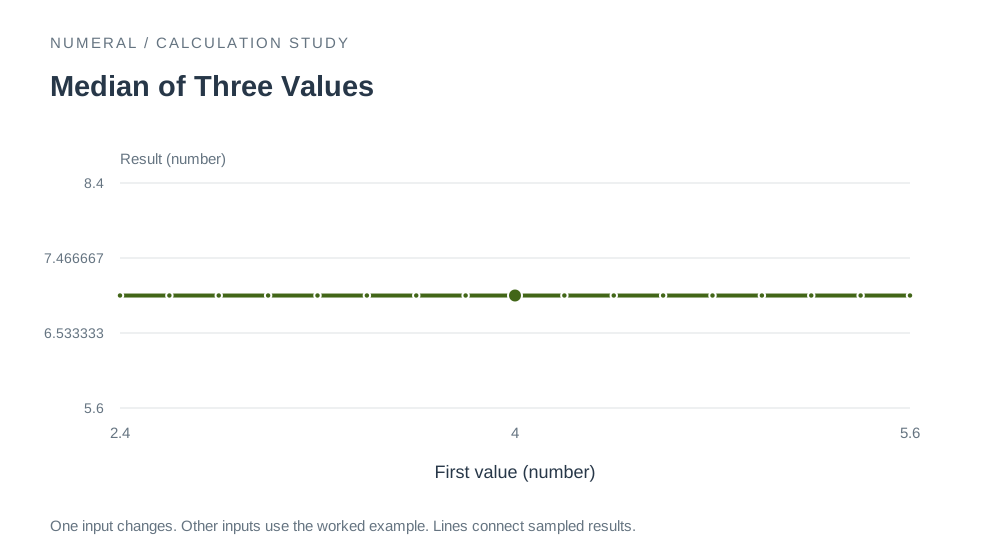
The median is the middle observation in sorted order.
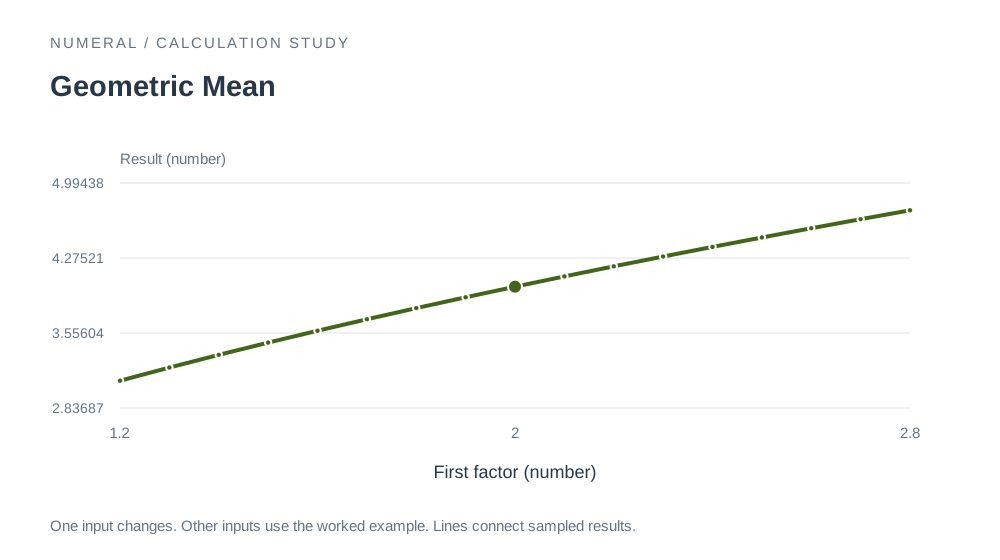
The geometric mean averages positive multiplicative factors.
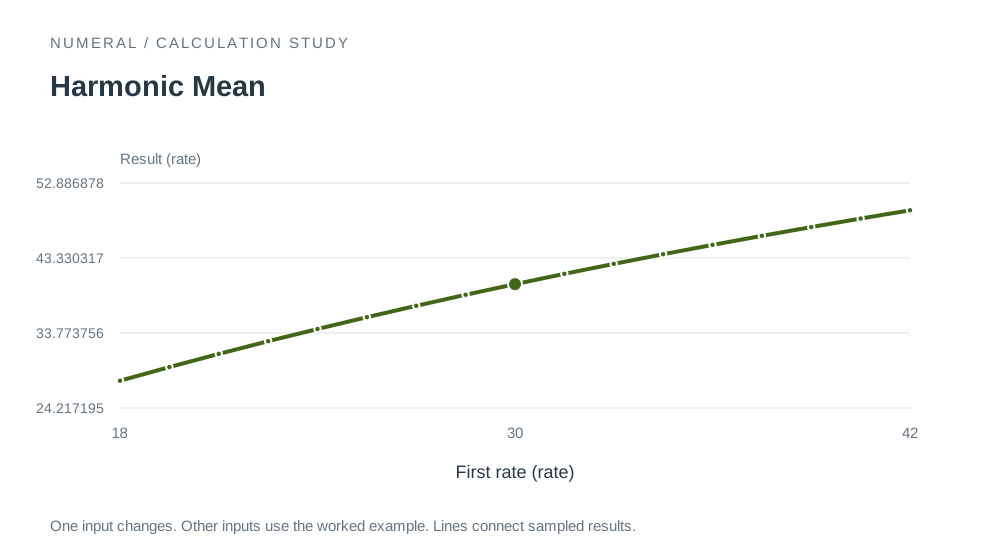
The harmonic mean handles rates applied to equal quantities, such as equal distances traveled at two speeds.
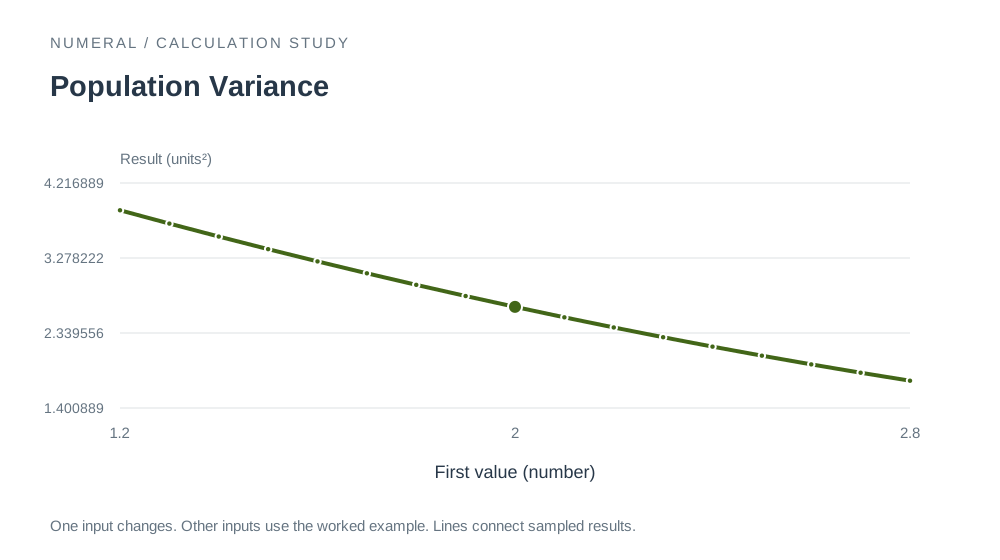
Variance measures the spread around the mean in squared units.
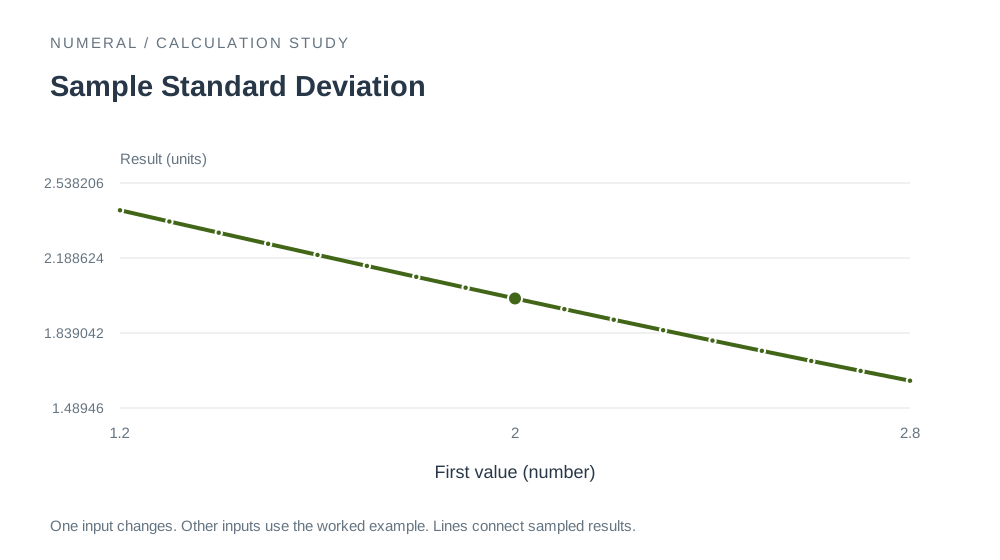
Sample standard deviation expresses dispersion in the original measurement units.
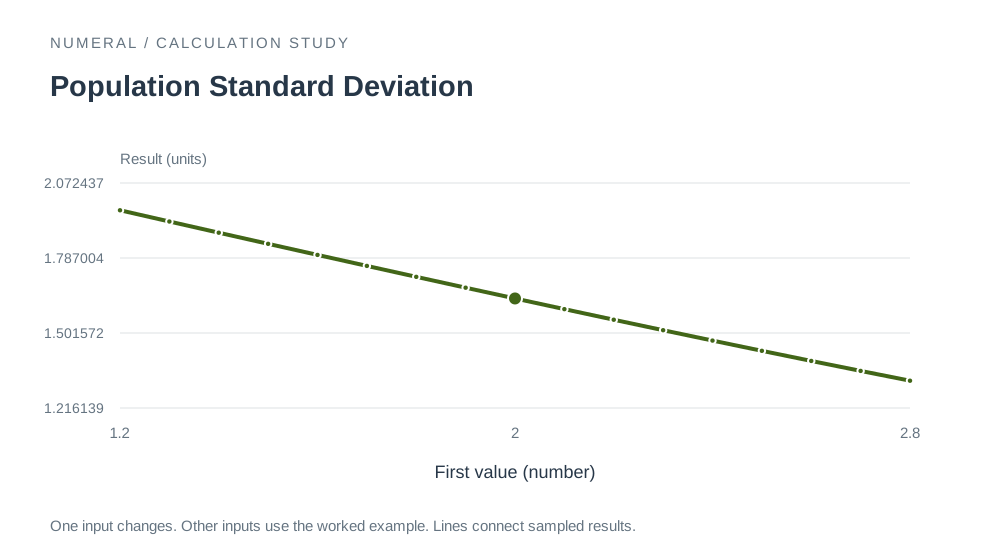
Population standard deviation describes the spread of a complete three-observation set.
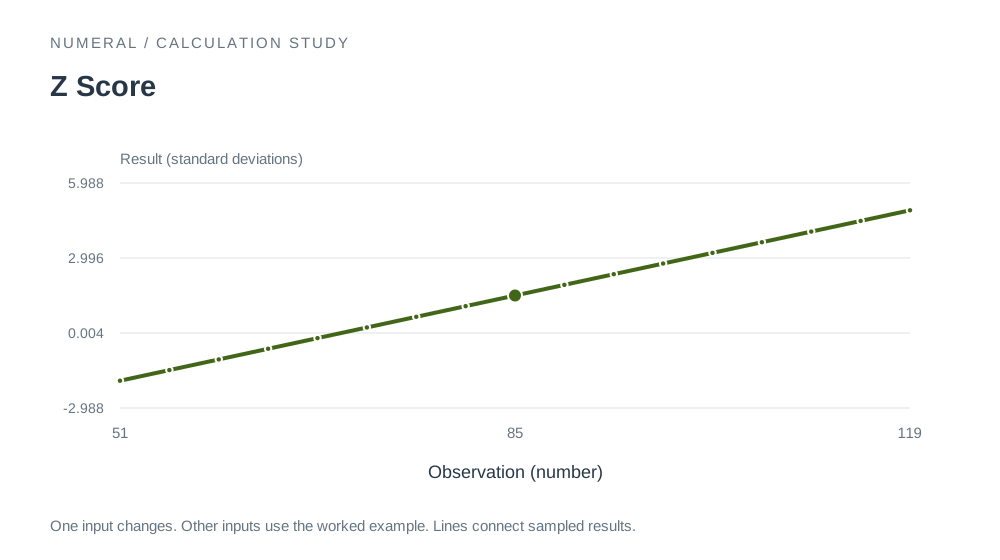
A z score expresses a distance from the mean in standard deviation units.
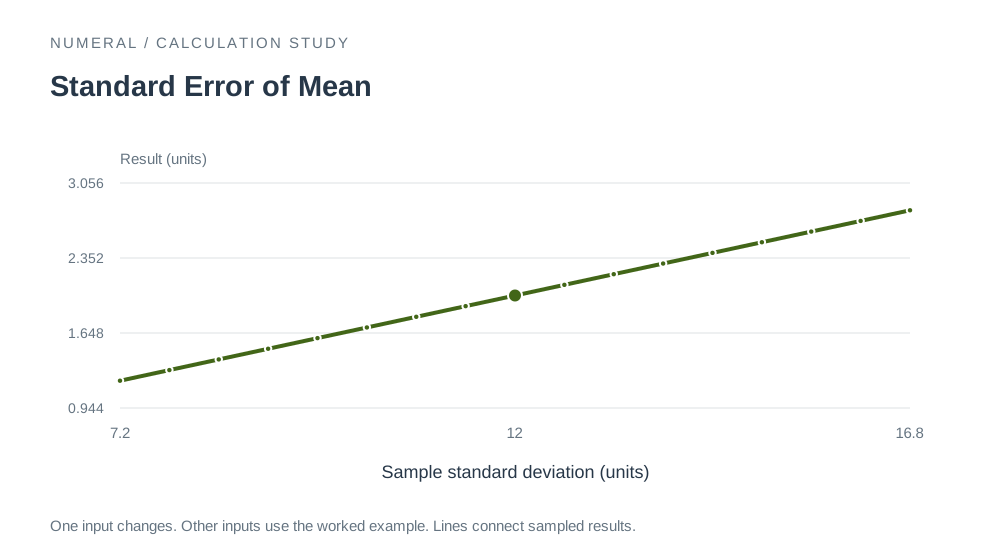
Standard error describes the sampling variability of a mean under independent sampling.
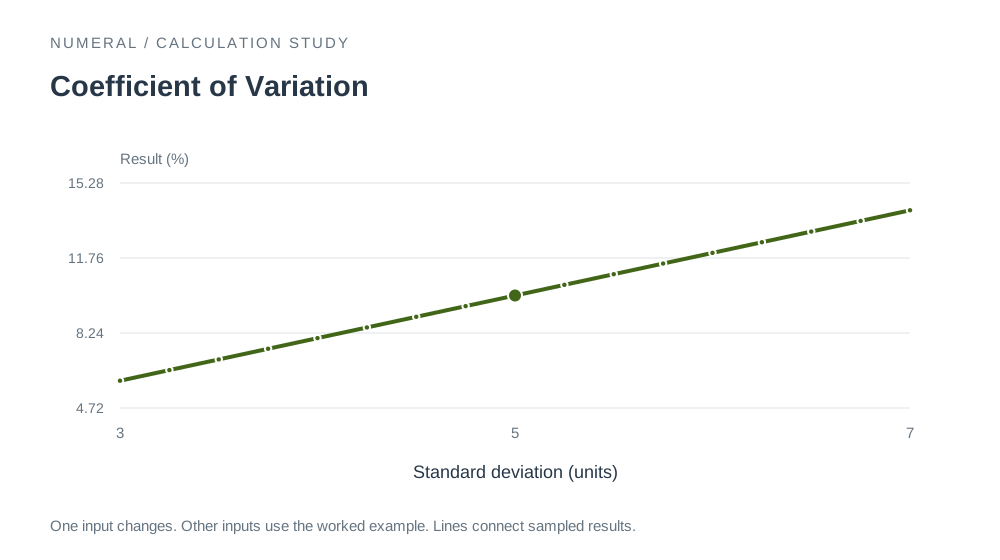
The coefficient of variation describes dispersion relative to a positive mean.
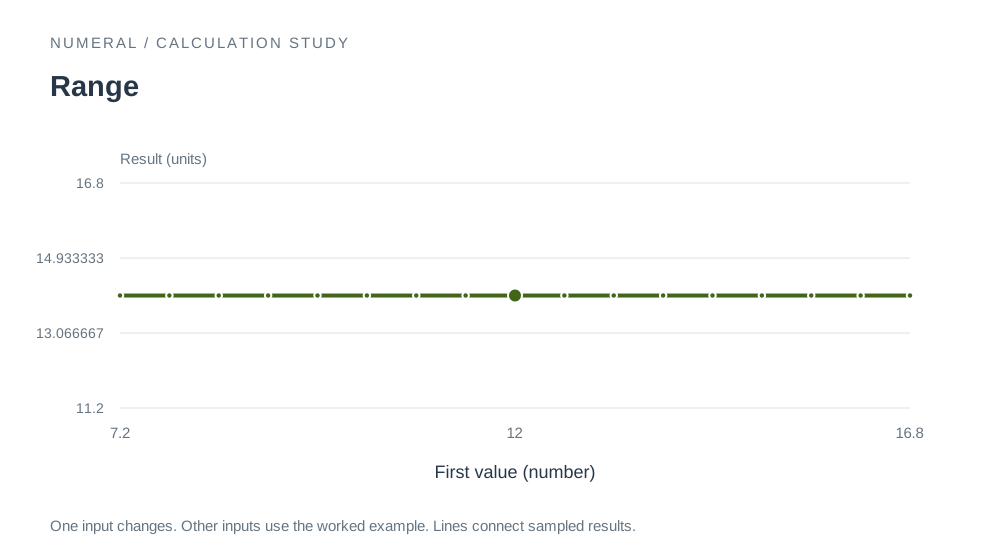
The range is the full span between the smallest and largest observations.
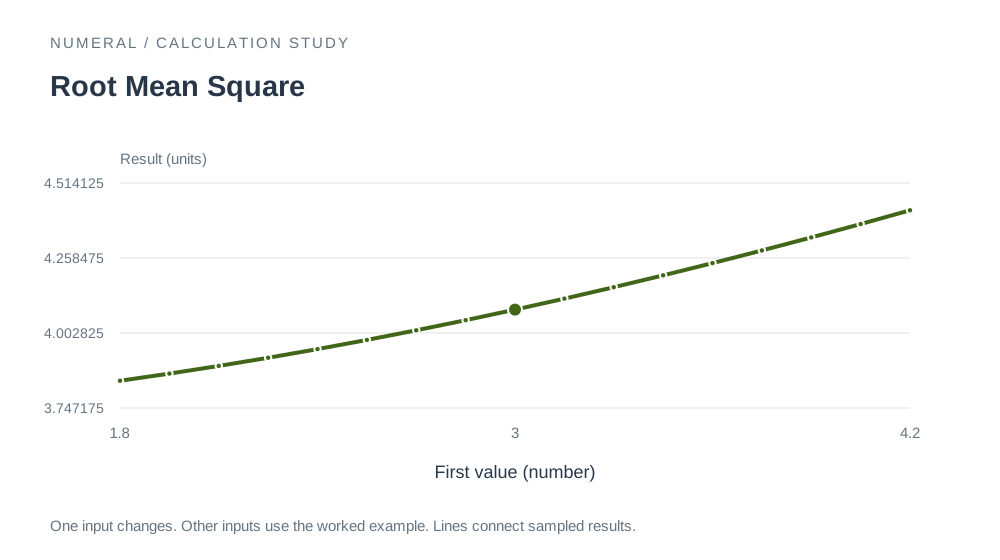
Root mean square summarizes the magnitude of signed observations without allowing positive and negative signs to cancel.
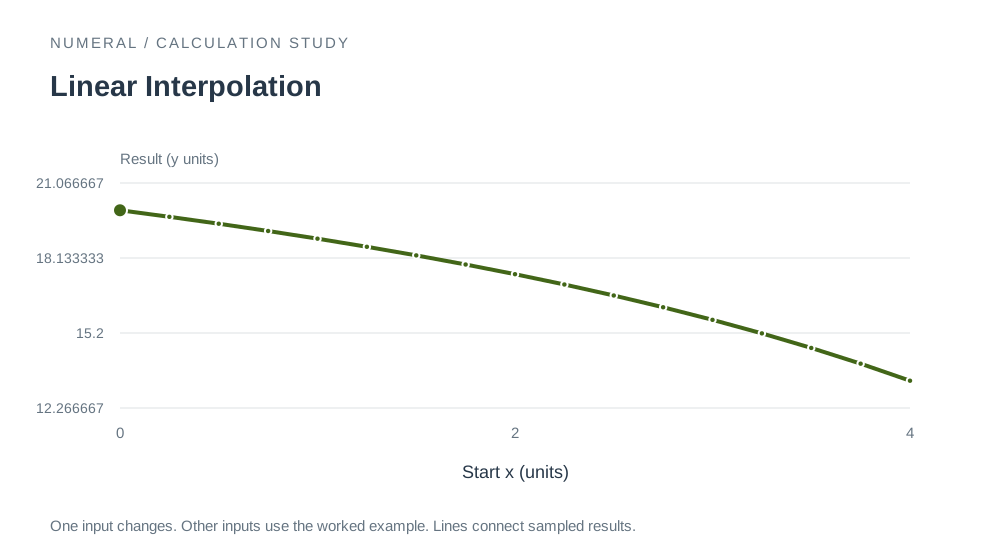
Linear interpolation estimates a value on the straight line through two known points.
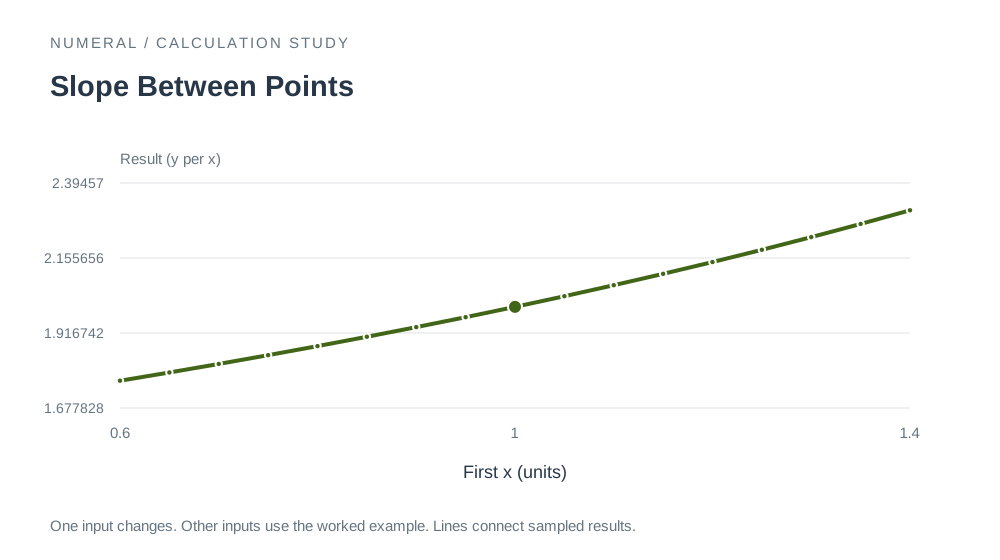
Slope compares vertical change with horizontal change.
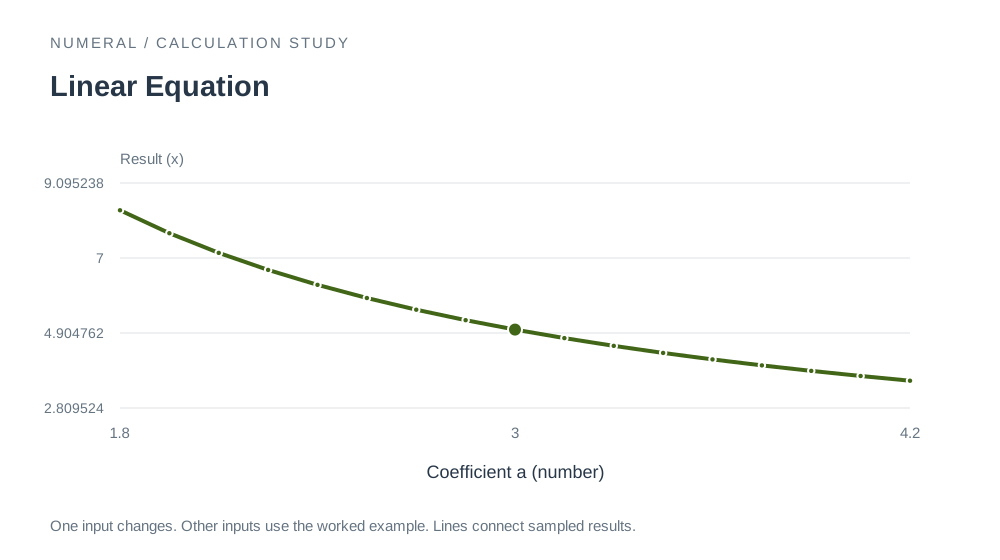
Solve an equation of the form ax + b = c by undoing addition and multiplication in reverse order.
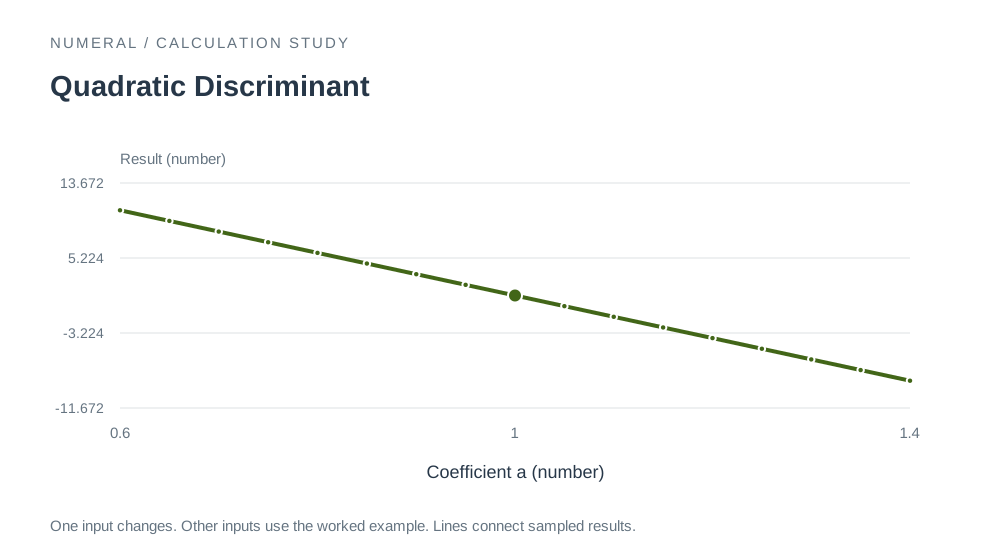
The discriminant indicates the real-root structure of a quadratic equation.
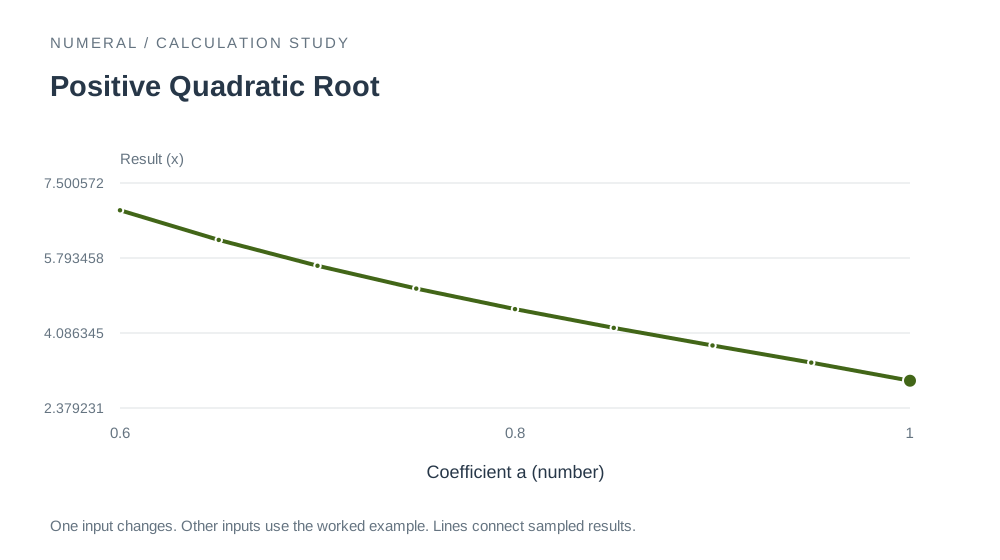
This tool evaluates the plus branch of the quadratic formula for a real-coefficient equation.
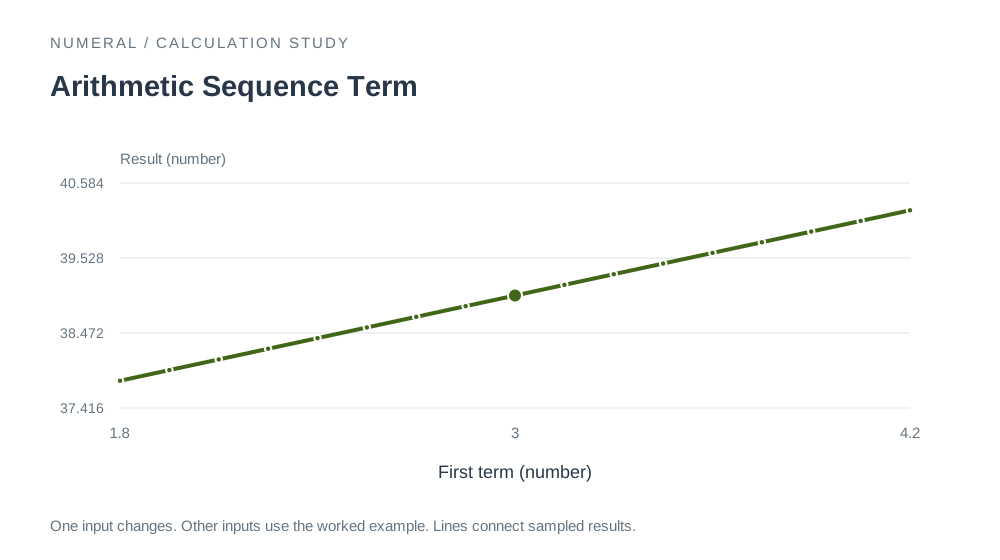
An arithmetic sequence adds the same difference at every step.
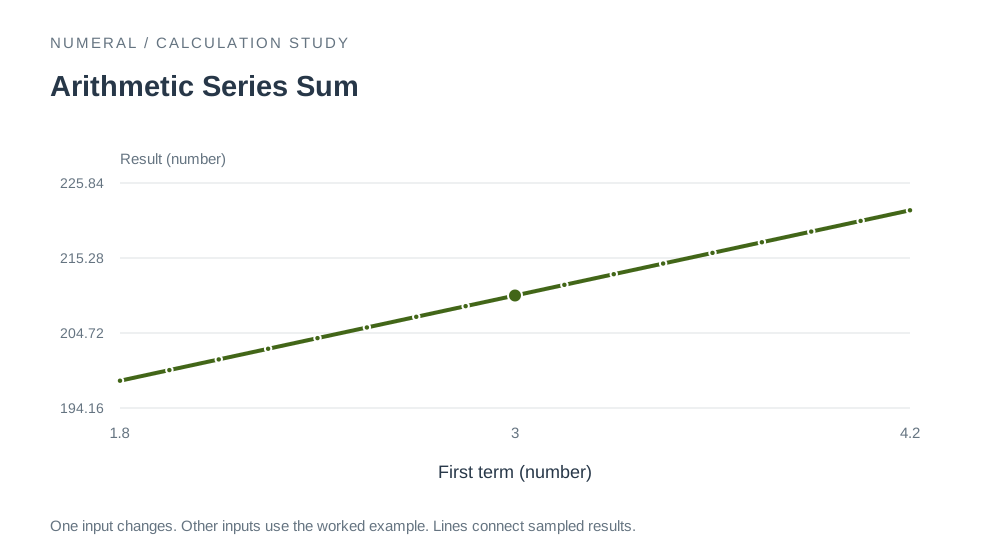
An arithmetic series adds a finite run of equally spaced terms.
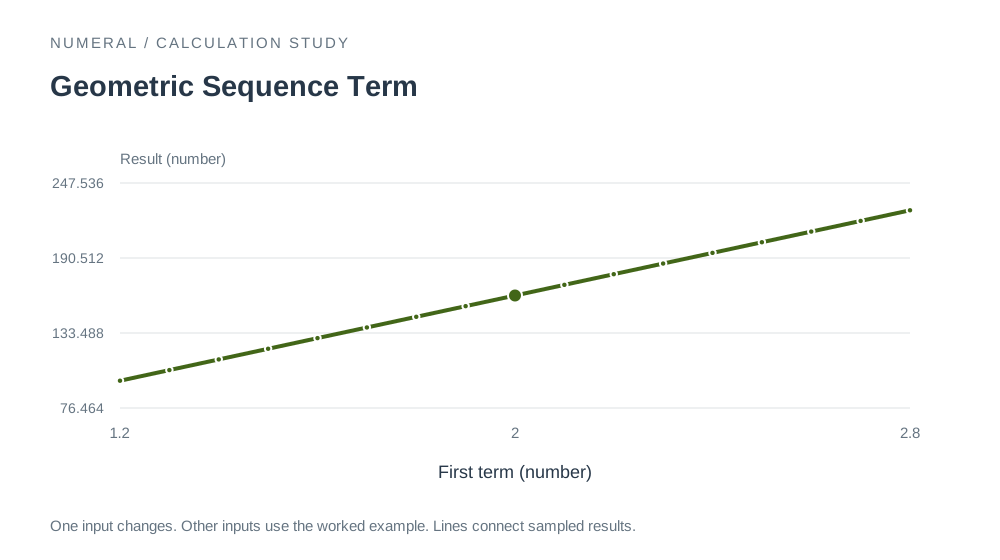
A geometric sequence multiplies by a constant ratio at every step.
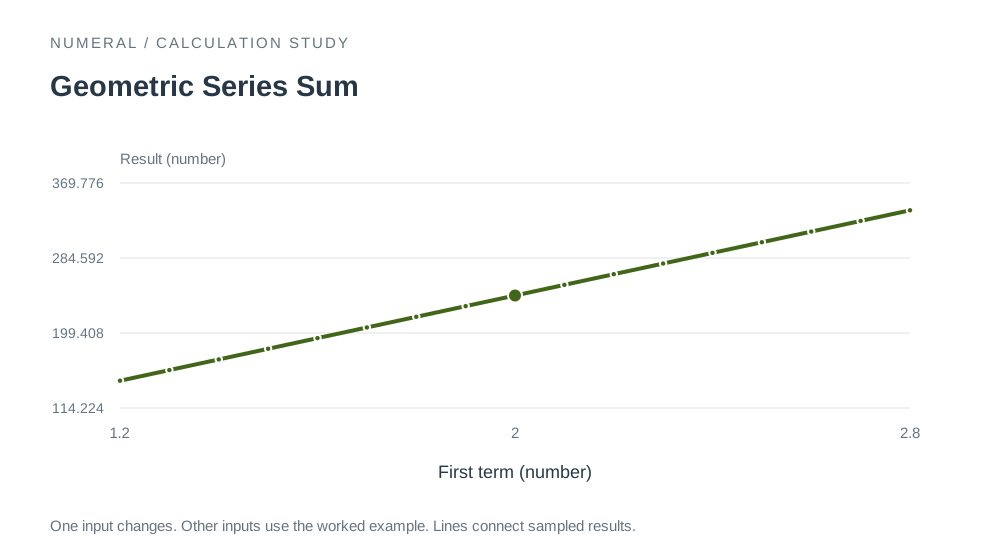
The finite geometric sum combines a series of repeatedly scaled quantities.
No matching articles. Try a shorter search or choose all categories.